Adding music to your Shopify store gives your shoppers a pleasant experience while they browse products. It makes your website more enjoyable for visitors, helps create a mood, tells your brand’s story, and can even encourage visitors to browse longer.
Music is a valuable addition to any website, whether it’s a musician sharing their latest track or a business establishing its brand tone. Expert Shopify developers agree that music creates a harmonious experience for shoppers. But the question is, how do you add it?
In this blog, we’ll discuss the best ways to add music to your store without slowing it down or overwhelming your customers. Let’s dive in!
Why Add Music to Your Shopify Store?
The appearance of an online store can completely shape visitors’ opinions about the brand. Music is an additional element that helps create such an impression. Like colors and images, sounds play an important role in telling your story, making it more vivid for the audience and fostering a deeper connection. It:
Makes the Shopping Experience More Enjoyable
The right ambient music sets a better mood for your store and makes it feel more welcoming. Calm, peaceful tunes create a perfect atmosphere of tranquility, while fast tempos inject a sense of energy. This encourages people to browse your store with confidence and explore what you offer.
Builds a Strong Brand Image
Every brand has a personality, and music helps express it. If your business makes handmade candles, gentle acoustic music might suit your warm style. For streetwear brands, something more bold and more contemporary could work better. The music you choose becomes an extension of your brand’s voice—just like your logo or color scheme.
Encourages Visitors to Stay Longer
People tend to stay longer if they enjoy the site’s atmosphere, and music plays a key role here. The right sound can keep visitors on product pages or inspire them to explore other categories. The longer they stay, the higher the chance they’ll make a purchase.
Perfect for Music-Focused Stores
If you’re a musician, DJ, or sound equipment dealer, sound is part of your product. Letting customers experience your work onsite builds trust and interest; it also conveys professionalism and enhances the store’s ambiance. Music will never overshadow your website. Instead, it complements everything you do. It builds trust and evokes emotions. Well-chosen background music can easily elevate your store into something more personal and engaging. For expert help adding music to your store, consult our Shopify development company.
Methods to Add Music to the Shopify Store
If you’re ready to add music to your store, there are several ways to do it. The method you choose depends on the kind of experience you want for your visitors and how much control you need over the sound. Whether you’re adding a single song or a playlist, Shopify offers easy options that require no coding knowledge.
Using Shopify Apps
Shopify offers various apps that enable the effortless integration of background music.
Here are some of the best options:
ES Background Music Player: Provides customizable autoplay, looping, and volume control.
RT: Background Music Player: Offers an easy-to-use interface with seamless audio integration.
Audio Player by Widgetic: Ideal for artists and businesses wanting to feature specific tracks or albums.
Steps to Install an App:
Navigate to the Shopify App Store and search for a music player app.
Select an app that suits your needs and click Install.
Follow the setup instructions to configure the audio player settings.
Adjust playback options such as autoplay, looping, and volume control.
After adding the code in the Liquid file, check the output on the Frontend.
Embedding Music Using Custom Code
For those seeking a more hands-on approach, embedding an audio player using HTML and JavaScript provides greater customization.
Steps to Add an Audio Player:
Go to Shopify Admin > Online Store > Themes.
Click Actions > Edit Code and open theme. liquid.
Insert the following HTML snippet where you want the audio player to appear:
<audio controls autoplay loop>
    <source src="your-music-file.mp3" type="audio/mpeg">
    Your browser does not support the audio element.
</audio>
Save the changes and refresh your store to test the functionality.
Embedding Music from External Platforms
Another effective method is to integrate music from platforms like Spotify or YouTube.
Spotify
First, generate an embed code for a track or playlist by clicking the Share option and then selecting Embed track.
This will provide you with the code. Paste it into a custom HTML section.
The output will look like this.
YouTube
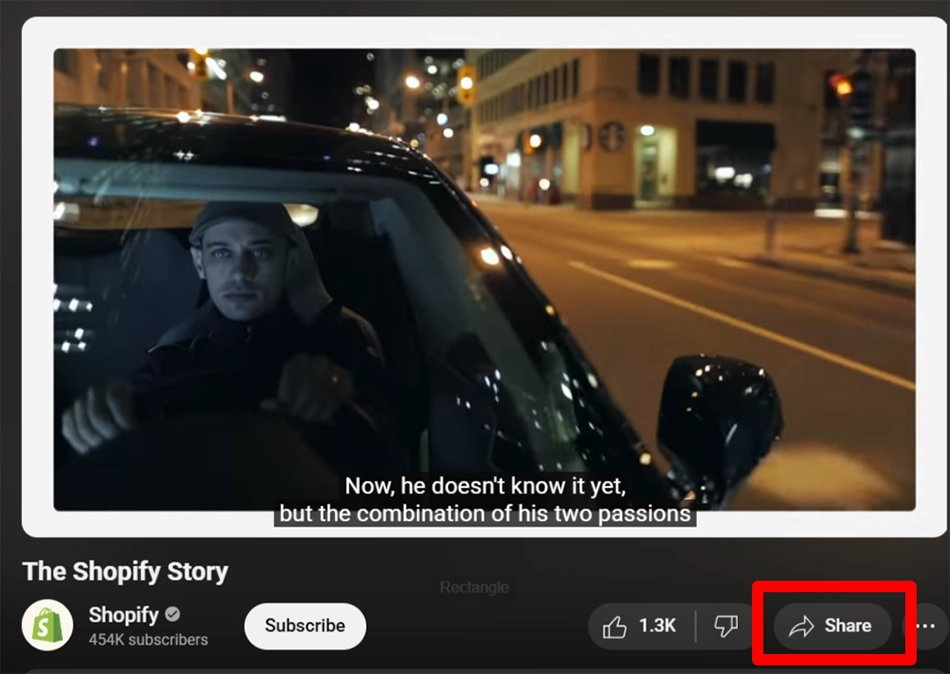
The process to add music to a Shopify store from YouTube is also similar. To embed a music video, click Share.
You will see different sharing options; choose Embed. This will give you the embed code. Copy it and paste it into the Liquid file of your store.
Adding music doesn’t have to be complicated. With the right tools and a clear idea of your brand’s vibe, you can create a smooth and enjoyable experience for your customers. Try different methods to see what works best for your store, and always keep your visitors in mind when deciding how and when the music should play.
Best Practices for Giving a Harmonious Experience on Shopify
Music can make your store feel more inviting, but only if it’s used the right way. Done poorly, it can distract or even drive visitors away. Here are some key points to ensure the music enhances the shopping experience rather than detracts from it.
Keep Volume at a Comfortable Level: Loud music can surprise visitors, especially if it plays automatically. If you’re using autoplay, make sure the volume is low and soft. Better yet, let users control whether the music plays at all.
Choose Music That Matches Your Brand: Your store’s sound should fit the overall mood of your products and design. Calming tunes might work well for a wellness store, while something fun and upbeat fits better with fashion or lifestyle brands. Make sure the tone of the music supports your message.
Avoid Disrupting the User Experience: If the music restarts every time a customer switches pages, it can quickly become annoying. Use tools or apps that allow music to play smoothly across your store without interruptions.
Give Visitors Control: Always provide a visible play/pause or mute button. Some people shop in quiet places, like at work or late at night, and may prefer to browse in silence. Let them decide how they want to experience your site.
Test It on Different Devices: Make sure that your audio works well on desktops, tablets, and phones. Different browsers or mobile devices usually block autoplay. That is why it is good to check how the sound goes on every screen.
Use Legal and Licensed Music: Don’t use copyrighted music without permission from the owners. Plenty of available tracks are royalty-free, or you can use your original work. It saves you from any legal battle and keeps your store professional.
Applying these simple tips will help you maximize the benefits of music in your Shopify store. Music should complement the experience, so choosing the right tracks will create a polished yet customer-friendly atmosphere.
Conclusion
Integrating music into a Shopify store is a great way to influence the mood of visitors. More than just background noise, music can create ambiance, reflect your brand, and add a personal touch to the shopping experience. Use apps, embedded audio, or custom coding to include music, but ensure it fits your store’s style.
Keep it simple, give control to your customers, and test everything to ensure it runs smoothly. When done right, music can elevate an ordinary store into something more exciting and memorable.
Facing issues with your online store? Our experts can help. Contact us today!
FAQs on Adding Music to Shopify
1. Which audio file types can I upload and play on Shopify?
Shopify supports common audio formats like MP3, WAV, and OGG. These work best for embedding players on product pages or blogs. For wider compatibility, MP3 is the most reliable choice.
2. How do I get the link to my uploaded audio file for embedding?
After uploading your audio file to Shopify’s Files section (Settings > Files), click on the file name to copy its direct URL. This link can be used in HTML embed codes or audio player apps.
3. Can I make an audio play automatically when someone opens my page?
While possible with HTML autoplay attributes, most browsers block automatic audio playback to improve user experience. It’s better to let visitors click play manually to avoid annoying them.