
Quick Summary
- B2B and B2C buyers follow fundamentally different purchasing journeys.
- B2B websites prioritize trust, research, validation, and stakeholder alignment.
- B2C websites focus on speed, simplicity, engagement, and conversions.
- Content depth, pricing models, and checkout experiences differ significantly.
- Effective design aligns with user expectations, behavior, and decision-making processes.
B2B vs B2C website design starts with one core difference: one buyer is evaluating a business decision, while the latter is making a faster personal purchase. This simple shift transforms the entire design approach.
B2B sites must accommodate longer sales cycles, in-depth research, ROI validation, and group decision-making. In contrast, B2C sites prioritize quick discovery, streamlined checkout, and emotional engagement. Clear navigation, strong content, and easy interaction are needed for both categories, but they must differ in depth, tone, and structure.
Unlike B2C, B2B buying often involves multiple stakeholders over time, demanding a dynamic, results-focused design approach. To understand why these differences are important, we should first define B2B and B2C.
What are B2B and B2C eCommerce? Brief Explanation
In B2B vs B2C website design, the buying model defines the foundation and the distinction. B2B (Business-to-Business) refers to transactions between businesses, where the buyer is usually a company, distributor, retailer, or institution. These purchases often result from extensive planning, multiple layers of approval, and negotiated pricing or credit terms. As a result, B2B eCommerce development focuses on creating platforms that support complex purchasing workflows, custom pricing structures, account-based experiences, and long-term business relationships.
| ? Interesting Read: 15 Awesome B2B Website Design Examples to Take Inspiration From |
B2C (Business-to-Consumer), on the other hand, is built for individual shoppers. The buying journey is usually quicker, the pricing is fixed and visible, and the experience is designed to drive fast, direct purchases. This is where B2C eCommerce development plays a crucial role, emphasizing intuitive navigation, personalized shopping experiences, seamless checkout processes, and conversion-focused design.
That difference changes everything in design. B2B websites need clarity, depth, and trust-building information, while a B2C website relies more on speed, simplicity, and persuasive presentation. In short, the audience determines the structure, and the structure shapes the conversion path for the audience.
Once the models are clear, the design differences become easier to see side by side.
B2B vs B2C Website Design Differences at a Glance
B2B and B2C websites may share the same goal, but the way they guide buyers, present information, and drive conversions differs significantly.
| Factor | B2B Website | B2C Website |
|---|---|---|
| Audience | Businesses, teams, institutions | Individual shoppers |
| Decision-making | Multi-step, approval-based | Fast, often impulse-driven |
| UX focus | Clarity, trust, depth | Speed, simplicity, visual appeal |
| Content | Detailed, educational, proof-led | Short, persuasive, product-led |
| Pricing | Custom, tiered, or quote-based | Fixed, visible, promotion-driven |
| Sales cycle | Long and research-heavy | Short and transaction-focused |
| Checkout | May involve invoices, PO, or sales support | Seamless cart-to-checkout flow |
| Technical detail | Compatibility, compliance, integrations | Basic product benefits and usability |
| Segmentation | By industry, scale, or use case | By preference, interest, or behavior |
Now that the quick overview is clear, let’s break them down in more detail and see how each one shapes B2B vs B2C website design.
The Key Differences Between B2B and B2C Website Design
While both website types aim to drive conversions, B2B vs B2C website design is fundamentally different in terms of buying behavior. The audience, decision-making process, content requirements, pricing structure, and user journey all influence how the website should be planned, designed, and optimized.
1. Target Audience and Decision-Making Process
B2B Websites
B2B buying journey is, more often than not, a team effort. A purchase often involves multiple decision-makers, internal approvals, budget reviews, and vendor comparisons. Consequently, the website must support research, validation, knowledge sharing, service/product demonstrations, and collaboration throughout a lengthy buying cycle.
B2C Websites
B2C purchases are usually made by a single online shopper. Decisions are made on the fly, influenced or distracted by convenience, brand preference, brand perception, or emotion. The website’s primary role is to reduce friction and help users move quickly from desire to purchase.
2. Design Priorities and User Experience
B2B Websites
B2B UX design prioritizes clarity, credibility, and information accessibility. Users need quick access to technical details, product/service specifications, integrations, support resources, and compliance information. Navigation needs to be deeper, supporting the extensive research and evaluation that comes before most B2B purchases.
| ? Interesting Read: The Ultimate B2B Website Design Best Practices Checklist for 2026 |

B2C Websites
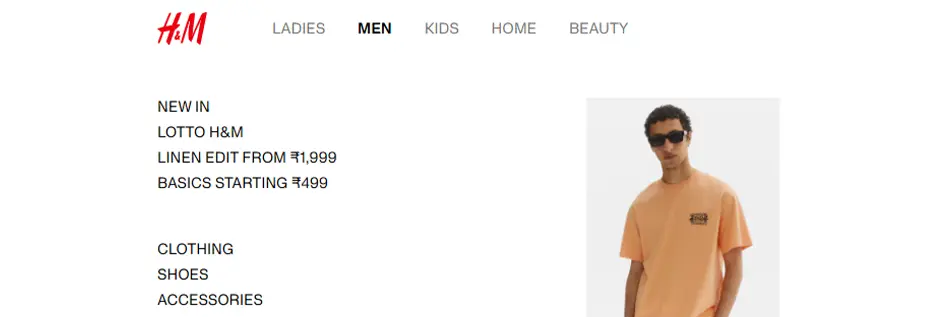
B2C UI design prioritizes visual appeal, simplicity, speed, and brand recall. Large imagery, compelling product presentation, intuitive navigation, and streamlined user flows provide seamless product discovery and purchases with minimal effort.
3. Content Strategy and Information Depth
B2B Websites
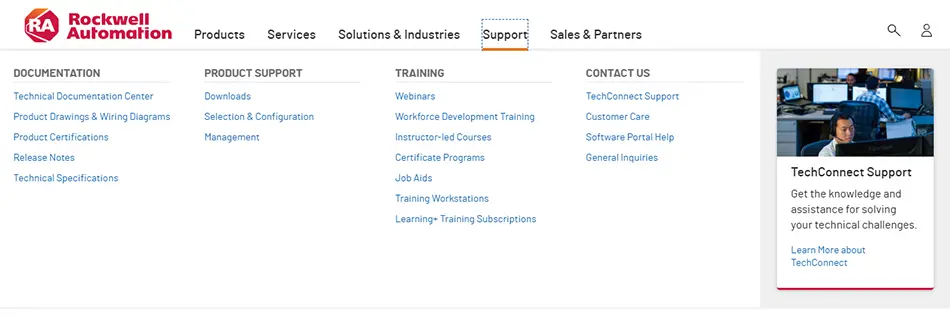
Content plays a critical role in educating buyers throughout the extensive sales cycle. Effective B2B websites typically include knowledge-sharing resources like case studies, buying guides, comparison pages, technical documentation, webinars, white papers, FAQs, and product demonstrations.
The primary goal is to provide evidence that instills confidence in both decision-makers and end users. Provide ROI and outcome-focused content for decision-makers, and highlight usability, support, and implementation features for end users.
B2C Websites
B2C content is shorter and more persuasive in most cases. Product images, reviews, ratings, testimonials, promotional offers, and concise product descriptions help consumers make quick decisions without overwhelming them with unnecessary information.

4. Trust, Risk, and Buyer Psychology
B2B Websites
B2B purchases carry higher risk because they can impact budgets, workflows, and operations of an entire organization. That’s why trust is built through transparency, expertise, and predictability. Detailed case studies, certifications, compliance information, customer success stories, clear implementation details, and post-purchase support help reduce uncertainty.
B2C Websites
In this category, consumer purchases are influenced heavily by emotion, desire, and instant gratification. Strong branding, visual storytelling, customer reviews, social proof, and urgency-driven elements (“By Before…” or “Sale Ends in…”) help create confidence and encourage action. A visually appealing website with intuitive navigation is preferable.
5. Pricing Structure and Presentation
B2B Websites
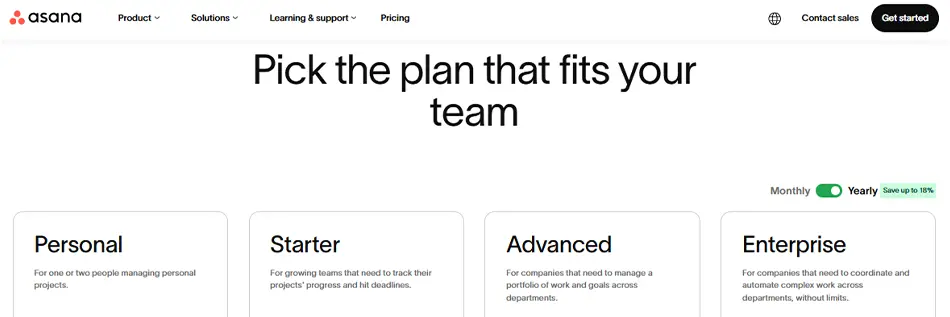
Pricing is often personalized based on factors such as volume, usage, features, contracts, or implementation requirements. B2B sites mostly do not display fixed pricing. Instead, they provide price-estimation calculators, tier-based plans, or options to request a quote.
B2C Websites
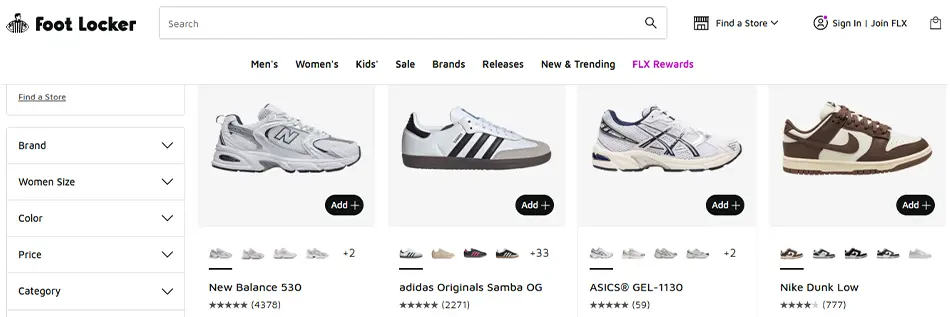
Pricing is usually fixed, visible, and easy to compare. Discounts, promotional offers, bundles, and coupon codes are commonly used to encourage faster purchasing decisions and increase order value.
6. Sales Cycle and Conversion Paths
B2B Websites
Rather than a direct storefront, B2B sites serve as a research and lead-generation platform. Buyers may spend weeks evaluating solutions before talking to sales, making it essential to add demo requests, consultation forms, downloadable resources, and multiple contact options. In larger organizations, the sales cycle can span several months, involving webinars and expositions to evaluate and compare multiple B2B solutions.
B2C Websites
The goal is immediate conversion. The ideal situation would be for a user to discover, evaluate, and purchase within a single session. This requires clear calls-to-action, minimal distractions, and a seamless path to checkout.
7. Checkout and Purchase Experience
B2B Websites
The checkout process often extends beyond a simple online transaction. Businesses may require invoices, purchase orders, contract reviews, recurring-order capabilities, or direct communication with sales representatives before completing a purchase.
B2C Websites
The process is designed for speed and convenience. Customers add products to a cart ➜ apply discounts if available ➜ choose a payment method ➜ complete the purchase. This process needs to be completed in as few steps as possible. Features such as abandoned-cart reminders and express payments help improve conversions.
8. Technical Information and Compatibility Requirements
B2B Websites
Purchases on a B2B site must fit into existing systems, workflows, and operational environments. That makes compatibility details, API documentation, implementation support, security standards, compliance certifications, and technical specifications essential parts of the buying journey.
B2C Websites
Technical details, although important, are usually a secondary requirement in the B2C category. Usability, benefits, and product experience presented in a simplified manner are enough to support quick understanding.
9. Serving Different Customer Segments
B2B Websites
A B2B business serves startups, mid-sized companies, and enterprise organizations simultaneously. The website must clearly communicate solution, industry, and business scale alignments without confusion.
B2C Websites
Instead of organizational complexity, B2B consumer segmentation is generally simpler. The primary focus is on preferences, interests, demographics, or purchasing patterns.
Ultimately, the difference between B2B vs B2C website design is reflected in how each design choice supports the unique customer journey as they browse, compare, and purchase.
Conclusion
The differences between B2B vs B2C website design arise primarily from the distinct needs of each buyer type, not just visual elements or aesthetics.
B2B websites must support longer sales cycles and deeper knowledge sharing, while B2C websites focus on emotional engagement and frictionless transactions. Understanding these distinctions helps businesses deliver intent-aligned user experiences for increased lead generation and conversions.
Whether you’re planning a new site or refining an existing one, studying proven principles of eCommerce website design can help ensure your website supports the buying journey of your specific audiences.
FAQs
1. What are the biggest challenges in B2B website design?

B2B websites must simplify complex products, accommodate long buying cycles, align with different organizational complexities, and serve multiple stakeholders simultaneously. They also need to communicate business value clearly while addressing technical requirements, integrations, security standards, and compliance concerns.
2. What are the biggest challenges in B2C website design?
B2C websites need to capture attention quickly in highly competitive, cluttered markets. The challenge is balancing visual appeal, usability, and performance while creating a seamless experience that encourages immediate action and repeat purchases.
3. What are the clearest signs that a website is underperforming?
Low conversions are only one indicator. Other signs include high bounce rates on key pages, inconsistent user journeys, poor engagement, and frequent feedback from sales or support teams about visitor confusion.
4. Is gated content still effective for B2B websites?
Yes, when used strategically. Essential information should remain accessible, while high-value assets such as research reports, ROI tools, e-books, and in-depth resources can be gated to generate qualified leads without disrupting the buyer journey.
5. Do B2B websites need personalization?
Yes. Personalized content helps buyers find relevant information faster, tailored to their industry, role, or use case. With such long evaluation timelines, simple personalization can easily deliver content, improve engagement, and minimize friction.