Quick Summary
- Product bundling increases customer value by combining useful products into a single, simple, and attractive offer.
- Smart bundle pricing helps increase average order value while keeping the purchase decision easy and clear.
- Bundling complementary products improves customer satisfaction and supports stronger cross-selling in eCommerce stores.
- Regular testing and performance tracking make product bundling strategies more effective and profitable over time.
People often buy things that naturally go together. Like a smartphone with a charger, a laptop with antivirus software, or shoes with socks. When businesses combine related items and sell them as a single package, it is called product bundling.
A product bundle that gives customers more convenience and often a better deal. This is one of the most common selling methods in retail, especially in eCommerce, where brands use smart bundle offers to influence shopping decisions.
A good product bundling strategy helps increase sales, improve customer experience, and raise the average cart value. Customers feel they are getting better value, while businesses can use it to drive cross-selling, improve inventory management, and increase conversions. In this blog, we’ll discuss everything about product bundles offered by eStores in detail. Let’s dive in.
What is Product Bundling?
Product bundling is a marketing strategy. You group together multiple products or services and sell them as a single package, often at a discounted price. The aim is to entice customers to buy more than they initially intended by offering a perceived value proposition.
Here’s a breakdown of the key aspects of product bundling:
- Multiple Products/Services: The core of bundling involves combining two or more distinct products or services. These items can be directly related (like a shampoo and conditioner) or complementary (like a camera and a memory card).
- Single Unit: The bundled products are presented and priced as a single unit. This can be a physical package or a designated bundle on a website.
- Discounted Price: In most cases, the bundled price is lower than the combined cost of buying each item separately. This perceived discount incentivizes customers to purchase the bundle.
Overall, product bundling is a strategic approach to marketing that benefits both businesses and customers by creating value and increasing sales. What other benefits does it present? Let’s see.
Types of Product Bundling
Different businesses use different types of product bundling based on their goals. Some want to clear old stock, some want to increase average order value in eCommerce, and others want to improve customer convenience. Choosing the right product bundling strategy depends on what you sell and how your customers buy.
Pure Bundling
In pure bundling, products are sold only as a package and not as separate items. Customers must buy the full bundle to get the product.
A common example is cable TV packages, where channels are bundled into a single plan rather than sold individually. Many software subscriptions also follow this model by combining multiple tools into one package.
This method works well when products are closely connected. It helps businesses improve sales and makes buying simpler, but customers may feel limited because they cannot choose individual items.
Mixed Bundling
Mixed bundling gives customers two options. They can buy products separately or choose the bundle at a discounted price.
For example, a skincare brand may sell face wash and moisturizer separately but also offer both together at a better price. This is one of the most common product bundling examples in retail.
A mixed bundling strategy gives customers flexibility and makes the bundle feel like a smart deal. It also supports better product bundle pricing because customers can clearly compare single-item pricing with bundle pricing.
Cross-Sell Bundling
Cross-sell bundling combines complementary products that naturally go together. The goal is to encourage customers to buy related items in the same order.
For example, when someone buys a laptop, adding antivirus software, a wireless mouse, or a laptop bag is a strong cross-sell bundle. Amazon often uses this method for “Frequently Bought Together” suggestions.
This is one of the best product bundling techniques to improve convenience and increase average order value eCommerce stores want. It also supports smarter cross-selling product bundles without feeling too pushy.
Upsell Bundling
Upsell bundling encourages customers to choose a higher-value package instead of a basic one.
For example, instead of buying only a phone, customers may choose a premium bundle that includes earphones, a fast charger, and screen protection for a slightly higher price.
This type of product bundling strategy increases revenue while providing customers with greater value. The key is keeping the price difference reasonable so the better package feels worth it.
Subscription Bundles
Subscription bundles combine products or services that customers receive regularly through a monthly or yearly plan.
Examples include meal kits, beauty boxes, OTT subscriptions, and software plans that bundle multiple features into a single payment.
These eCommerce bundles help businesses drive repeat sales and improve customer retention. Customers also like them because they save time and often cost less than buying everything separately. Subscription models are now one of the fastest-growing product bundling solutions in online business.
All in all, product bundling is when businesses group items together to sell as a package. This helps companies sell more, clear out old stock, or make shopping easier for customers. There are different ways to do this, such as offering package-only deals, offering discounts on sets, or suggesting related add-ons.
What are the Benefits of Product Bundling?
As you may understand from the previous section, Product Bundling has several benefits for both the business and the customers. Let’s take a look:
For Businesses
- Increased Average Order Value (AOV): This strategy encourages customers to purchase multiple items at once. That increases the overall amount spent per transaction and boosts the revenue.
- Boosted Sales: The perceived discount on bundles incentivizes purchases, leading to higher sales volume for both popular and less popular products.
- Inventory Clearance: Bundling can effectively clear out slow-moving inventory by pairing them with desirable products.
- Reduced Marketing Costs: Marketing a bundled package can be more efficient than promoting individual items, lowering marketing expenses.
- Upselling and Cross-selling Opportunities: Strategic bundling can introduce customers to new products, which means upselling. It can even encourage them to buy complementary items, which means cross-selling.
- Improved Efficiency: Bundles simplify storage, handling, and fulfillment compared to individual products.
For Customers
- Perceived Value: Customers often perceive bundles as offering a discount compared to buying items separately, increasing perceived value.
- Convenience: Bundles provide a one-stop shop for related items, saving time and simplifying the buying process. That helps optimize the conversion rates for the eCommerce site.
- Discovery of New Products: Customers might be more open to trying a new product when bundled with a familiar one.
- Enhanced Customer Experience: A well-curated bundle can fulfill a specific need or desire, leading to a more satisfying shopping experience.
Basically, product bundling is a win-win situation. Businesses benefit from higher sales and good inventory management and customers get better costs. So it would be a good idea to consult an eCommerce implementation company and implement product bundling.
Psychology Behind Product Bundling
Good product bundling works because it matches how people naturally shop. Customers usually want better value, less confusion, and faster decisions. When a bundle feels useful and fairly priced, they are more likely to buy it.
- Perceived Value Increase: Customers often feel a product bundle gives them more value than buying items separately. Even a small discount makes the offer look better. Clear savings like “Save ₹500” help customers feel they are getting a smart deal.
- Decision Simplification: Too many choices can confuse buyers and delay purchases. A ready-made bundle makes shopping easier by offering a complete solution in one package. This improves convenience and helps increase conversions.
- Anchoring Effect: Customers compare prices before buying. If they first see a single product priced high, the bundle price feels more valuable. This makes the product bundle pricing look like a better and smarter choice.
- Fear of Missing Out (FOMO): Limited-time bundle offers create urgency and push faster decisions. Customers do not want to miss a good deal, so they act quickly. This is why seasonal offers and special combo deals work well in bundled marketing deals.
In short, product bundling works because it taps into how we think. It makes shopping feel easier and more rewarding by offering better value, fewer choices, and a sense of urgency. By showing clear savings, grouping related items, and using limited-time deals, businesses help customers make faster decisions.
How to Implement Product Bundling in eCommerce?
Product bundling is a simple, yet effective strategy to improve the customer experience and sales. Let me tell you a step-by-step process to make sure the strategy is effective and brings benefits to the company and customers.
Define Your Goals
First off, you need to define what you’re looking for from this strategy. Here are a few common goals:
- Increase Average Order Value (AOV): Encourage customers to purchase more at once.
- Clear Inventory: Move slow-selling items by bundling them with popular ones.
- Introduce New Products: Get exposure for new products by bundling them with established ones.
- Boost Sales of Specific Products: Highlight specific products by bundling them with complementary items.
- Enhance Customer Convenience: Offer pre-curated packages that address a specific need.
The strategy going forward will depend on the final goal. So do a comprehensive analysis of your current and target customers’ behavior.
Analyze Customer Behavior
Customer behavior can be characterized by a few different factors, but the most common one is purchase history. See which products are frequently bought together. This reveals natural complements for bundling. For example, if laptops and cases are often purchased together, consider bundling them.
Based on the purchase history, you need to segment the customers (on factors like demographics). The bundles will be tailored based on that. Younger customers buying phones with headphones might suggest a different bundle than older customers buying phones with screen protectors.
Choose the Suitable Products
Now, it’s time to look at your products list. You need to focus on complementary items. Those that naturally go together and enhance each other’s value. Like razor blades with shaving cream or camera lens with camera body. Bundled products should address a specific need or desire.
Bundle products with similar quality levels to maintain a cohesive experience. Try offering a clear discount compared to buying items separately. You can experiment with different pricing strategies (like percentage or fixed-dollar amount). Try finding a sweet spot between a good profit margin for you and discounts for the customers. That incentivizes purchase and improves the revenue.
Curate Different Bundle Types
Based on your selected products, you need to curate and choose the suitable bundle type. Here are the common ones:
- Upsell bundles: Combine a popular product with a higher-priced, premium item to encourage spending more.
- Cross-sell bundles: Group complementary products that customers might not have considered otherwise.
- Inventory clearance bundles: Pair slow-moving items with popular ones to boost sales and free up storage space.
- Gift bundles: Create themed bundles perfect for holidays or special occasions, offering convenience for gift-givers.
You can consult with eCommerce experts to see which one would work best for your product and in what situation.
Presentation and Promotion
After building the product bundles, it will be time to present and promote them. You need to grab customer attention and drive sales. Here’s what you need to consider.
- High-Quality Images and Videos: Use professional-looking images and videos that showcase the bundled products together. This allows customers to visualize how the products complement each other. It also enhances their understanding of the bundle’s value.
- Informative Descriptions: Go beyond simply listing the included products. Craft compelling descriptions that highlight the benefits and convenience of the bundle. Explain how the products work together to address a specific need or desire.
- Clear Value Proposition: Front and center, showcase the discount offered compared to buying the items separately. This emphasizes the perceived savings and incentivizes purchase.
- Bundle Naming: Choose clear and descriptive bundle names. You can also get creative with names that reflect the theme or benefit of the bundle. For example, a “Weekend Camping Essentials Bundle” or a “Coffee Connoisseur’s Kit”.
- Homepage Placement: Feature your best-selling or most strategically relevant bundles on your homepage. This increases visibility and ensures customers don’t miss out on these attractive offers.
- Product Page Visibility: Showcase relevant bundles on individual product pages. This allows customers browsing a specific product to discover complementary items they might not have considered before. For example, if someone wants a camera, displaying a bundle with a compatible lens can encourage them to purchase both.
- Targeted Marketing Campaigns: Incorporate your bundles into your email marketing campaigns and social media promotions. Segment your audience and tailor bundle promotions to specific customer groups based on their interests and purchase history.
- Call to Action (CTA): Use strong CTAs to encourage customers to take action. Simple phrases like “Buy Now and Save!” or “Get Your Bundle Today!” can nudge customers towards making a purchase.
- Limited-Time Offers: Create a sense of urgency and scarcity by offering bundles for a limited time only. This can motivate customers to act quickly and capitalize on the exclusive offer.
- Customer Reviews and Testimonials: Showcase positive customer reviews and testimonials about your bundles. Social proof from satisfied customers can build trust and encourage others to purchase the bundle.
These strategies can effectively communicate the value proposition of your product bundles and capture the attention of your target audience.
That concludes the implementation of Product Bundling on your website. Now, it’s time to track and analyze the results, so the strategy can be optimized for maximum results.
Track and Analyze the Results
Track the product bundles and sales made through them. Look for KPIs like conversion rate, average order value (AOV), and inventory movement. Also check the customers’ reviews and feedback on your bundles. This provides valuable insights into customer perception and helps you identify areas for improvement.
Here’s how you optimize the strategy according to the tracking results:
- Identify Top Performers: Analyze which bundles are generating the most sales and revenue. Replicate successful elements of these top performers in future bundles.
- Evaluate Underperformers: Analyze why certain bundles aren’t performing well. Consider factors like product selection, pricing, presentation, or promotion.
- A/B Testing: Test different variations of your bundles (e.g., product combinations, pricing strategies, presentation styles) to see what resonates best with your audience. A/B testing allows you to make data-driven decisions and continuously improve your bundling strategy.
- Customer Segmentation Analysis: Analyze bundle performance across different customer segments. This can reveal valuable insights into which bundles appeal to specific demographics or buyer personas. You can then refine your bundling strategy and targeted promotions to better cater to each segment.
- Long-Term Trends: Track bundle performance over time. Monitor how sales, conversion rates, and AOV for bundles evolve. This helps you identify long-term trends and adjust your strategy accordingly.
It lets you refine your bundling strategy, identify what works best for your audience, and ultimately achieve your eCommerce goals. If you need further help with ensuring the best results, we suggest you hire eCommerce developers from our team.
Best Practices for Product Bundling
A good product bundling strategy is not just about putting random products together. The bundle should feel useful, easy to understand, and worth buying.
Bundle Complementary Products
Always combine products that naturally go together. A laptop with antivirus software, a phone with a charger, or shampoo with conditioner are strong examples. This type of complementary product bundling feels useful and improves the buying experience.
Offer Clear Pricing Advantages
Customers should clearly see why the bundle is a better deal. Show the difference between individual prices and bundle pricing so the savings are obvious. A strong product bundle pricing strategy makes customers feel confident about the purchase.
Keep Bundles Simple
Do not add too many products to one bundle. A simple and clear offer is easier to understand and sells faster. Confusing bundles create decision fatigue and reduce the benefits of product bundling in eCommerce.
Test and Optimize Bundles
Not every bundle will perform well. Track which bundles get more clicks, sales, and repeat purchases. Testing different product bundling examples helps find what customers actually want and improves long-term results.
Personalize Bundles
Different customers need different bundle offers. Some may want starter kits, while others prefer premium sets. Personalized eCommerce product bundles based on customer behavior can improve satisfaction and help increase average order value in eCommerce.
Best Examples of Product Bundling
Although you may not know the name “Product Bundling”, the concept is quite widely-used around the world. Almost every major brand and website offers product bundles to entice the users and increase the sales. Here are a few common examples.
Gift Bundles
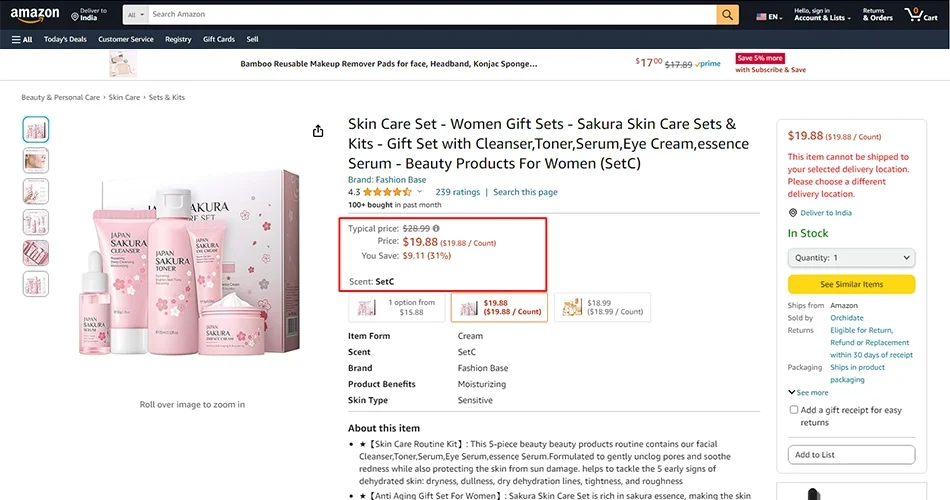
Gift bundles are a popular choice for holidays and special occasions. They offer convenience for gift-givers and can introduce customers to new products they might not have considered otherwise. For example, beauty brands often bundle skincare or cosmetic products around a theme, like a “gift of relaxation” or a “winter essentials” set.
Related Product Bundles
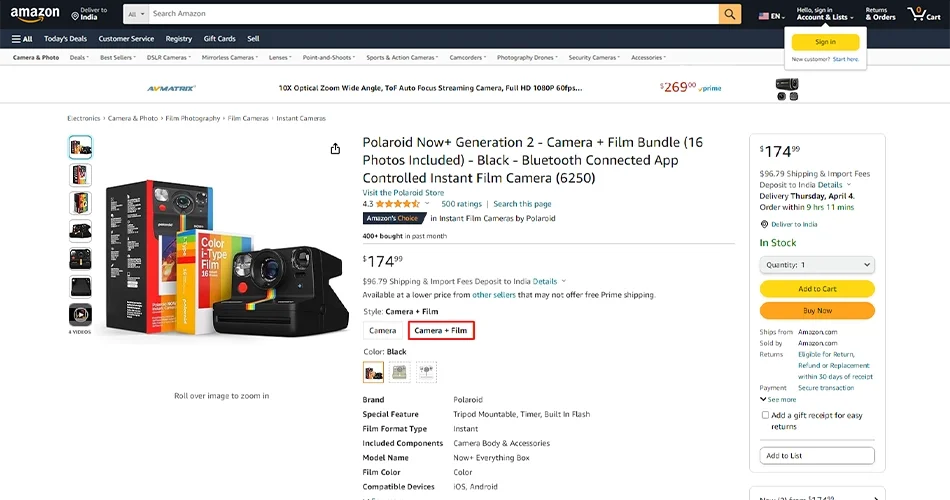
Related product bundles group complementary items that customers naturally use together. This can save customers time and money, and encourage them to purchase more than they initially intended. For example, a camera store might bundle a camera with a memory card and a carrying case.
Subscription Boxes
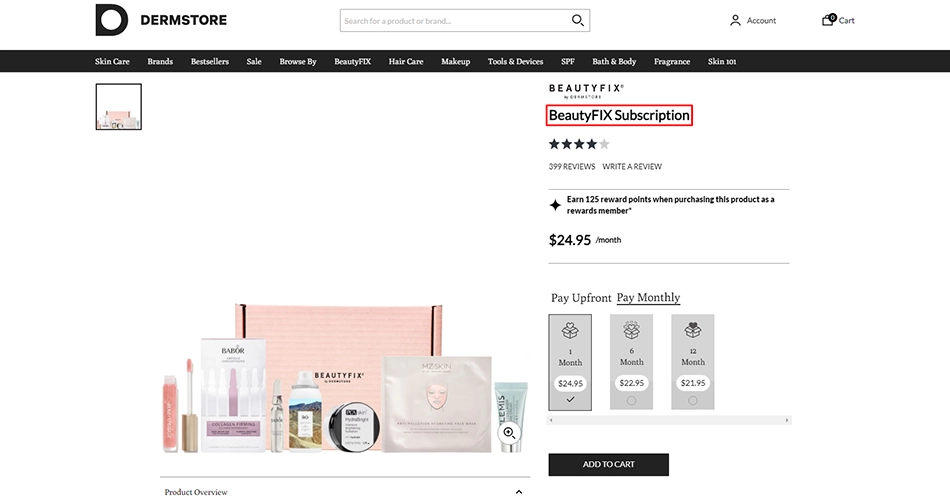
Subscription boxes are a type of product bundling where customers receive a curated selection of products delivered to their door on a regular basis. This can be a great way for businesses to introduce customers to new products and build brand loyalty. For example, subscription boxes can be found for beauty products, clothing, snacks, and even pet supplies.
Inventory Clearance Bundles
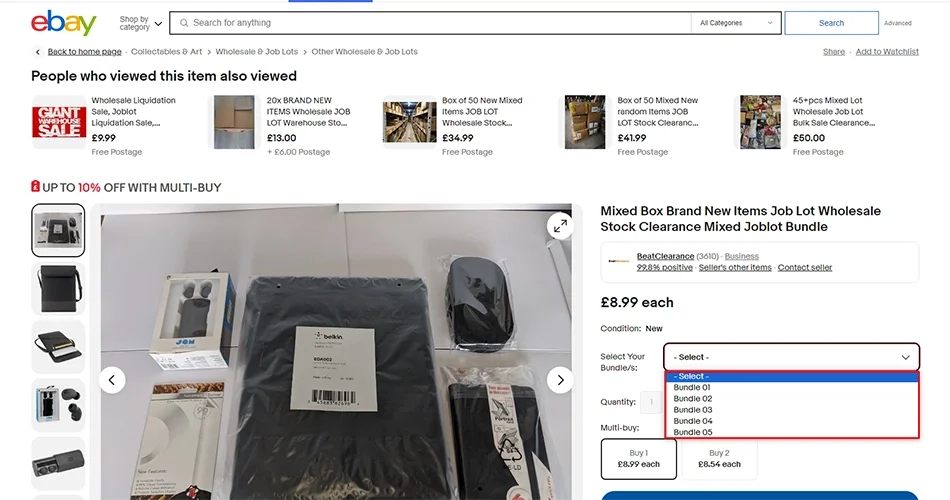
Inventory clearance bundles are a great way to move slow-selling items. By pairing them with popular products at a discounted price, businesses can entice customers to purchase the bundle and free up storage space. For example, an electronics store might bundle a slow-selling tablet with a popular pair of headphones.
Build your Own Bundles
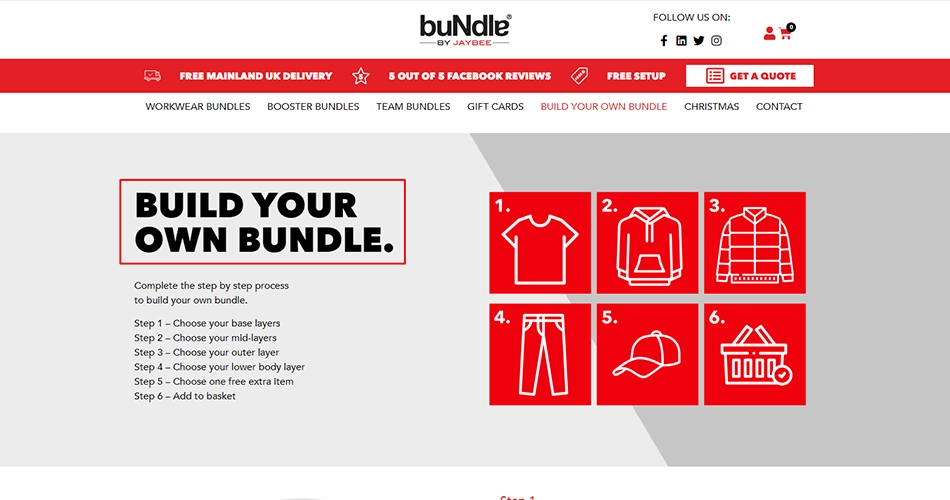
Build your own bundles allow customers to choose the products they want in their bundle. This can be a great way to cater to individual needs and preferences. For example, a clothing store might allow customers to build their own outfit bundle by selecting a top, pants, and accessories.
If you want similar product bundling ideas for your eStore, opt for our eCommerce website development services. We’ll analyze your site and suggest you the best strategy.
Common Mistakes in Product Bundling
A strong product bundling strategy can increase sales, but small mistakes can reduce trust and hurt conversions. A bundle should feel helpful, not confusing. Avoiding these common errors makes product bundling more effective and customer-friendly.
Bundling Unrelated Products
Products in a bundle should make sense together. If customers see random or unrelated items in a single package, the offer feels forced and loses its value. Good bundling examples always focus on useful combinations that solve a real need.
Poor Pricing Strategy
If the bundle price is too high, customers will prefer to buy the items separately. If the discount is too big, profit margins suffer. A balanced product bundle pricing strategy should show clear savings while keeping the business profitable.
Lack of Customer Insights
Creating bundles without understanding customer behavior often leads to poor results. Businesses should check what people usually buy together before building offers. Smart product bundling solutions depend on real shopping patterns, not guesswork.
Overcomplicating Bundles
Too many products or too many bundle options can confuse buyers. Customers prefer simple offers that are easy to understand and quick to choose. Clean and clear eCommerce bundle offers usually perform better than complicated ones.
Ignoring Performance Tracking
Bundles should not be created and forgotten. Sales, customer feedback, and inventory movement should be checked regularly. Proper product bundling implementation includes testing and improving bundles based on real performance data.
Conclusion
Product bundling is a great way to improve both sales and customer experience. When the right products are grouped together, customers save time, see better value, and feel more confident while buying. For businesses, it helps with cross-selling, inventory movement, and increasing average order value without making the selling process feel forced.
From pure bundles to personalized offers, every bundle should solve a real customer need. The success of product bundling depends on smart planning. The products must be relevant, the pricing should be clear, and the bundle should stay easy to understand. Avoiding common mistakes like poor pricing or unrelated products is just as important as creating good offers.
With the right strategy, eCommerce product bundles can turn purchases into stronger customer relationships and better long-term growth.
FAQs on Product Bundling
1. Is product bundling always a good idea?

Product bundling can be a powerful tool, but it’s not always the right approach. Consider your target audience, product selection, and overall business goals before implementing bundling.
2. What are some common mistakes to avoid in product bundling?
The common product bundling mistakes to avoid include:
- Bundling unrelated products
- Offering a discount that’s not attractive enough
- Poor presentation and unclear value proposition
- Failing to track and analyze results
3. How can I track the success of my product bundles?
To track the success of the product bundling strategy
- Monitor sales data, conversion rates, and AOV for your bundles.
- Track inventory movement to see if bundles are clearing slow-moving stock.
- Analyze customer reviews and feedback to understand their perception.
- Use A/B testing to compare different variations of your bundles.