
Quick Summary
- eCommerce packaging protects products, reduces shipping damage, and improves customer trust from the first delivery.
- Right-sized packaging lowers shipping costs, reduces filler waste, and keeps products secure during transit.
- Strong branding and better unboxing experiences help increase repeat purchases and improve customer satisfaction.
- Sustainable eCommerce packaging supports eco-friendly practices while building stronger brand value and long-term customer loyalty.
When a customer shops online, the first physical interaction with the brand is not the product. It is the package that arrives at the door. So, eCommerce packaging matters a lot. It protects the product, reduces shipping damage, controls delivery costs, and creates a strong first impression.
Good packaging for eCommerce products helps businesses deliver safely while also improving customer trust. A well-packed order feels professional, secure, and thoughtful. From sturdy boxes and protective fillers to custom eCommerce packaging and branded inserts, every detail shapes the customer experience.
In this complete guide, we will explain what is eCommerce packaging, the best materials to use, and the best packaging practices for online businesses.
What is eCommerce Packaging?
eCommerce packaging is all about how you prepare and protect a product for shipment when it’s being sold online. It encompasses the box, any cushioning materials you use to keep the necklace from jostling around, and even the tape you use to seal it all up.
But it’s not just about protection! eCommerce packaging can also be a way to showcase your brand and create a delightful experience for your customer when they open the box.
Why is eCommerce Packaging Important?
When you manage an eCommerce store, packaging is a critical part of it. It might seem like a simple afterthought, but packaging actually plays a crucial role in the success of your eStore. Here’s why:
Product Protection
The primary function of packaging is to ensure your product arrives in pristine condition. Bumpy rides on delivery trucks and careless handling can damage delicate items. Sturdy boxes, proper cushioning, and secure closures are all essential to prevent returns and unhappy customers.
Brand Identity
Unlike brick-and-mortar stores, your packaging is the first physical touchpoint a customer has with your brand. It’s a blank canvas to showcase your logo, colors, and messaging. Creative packaging can leave a lasting impression and build brand recognition.
Customer Experience
A well-designed package can elevate the unboxing experience from mundane to memorable. Think of it as a gift presentation – tissue paper, custom inserts, or even a handwritten note can add a personal touch and delight your customers. This can lead to increased brand loyalty and positive word-of-mouth marketing.
Cost Efficiency
Choosing the right packaging size and materials can help keep shipping costs under control. Oversized boxes with excessive packing peanuts waste money and resources. Additionally, damaged products due to inadequate packaging can lead to returns and reshipments, further impacting your bottom line.
Sustainability
Eco-conscious consumers appreciate brands that prioritize sustainability. Use recycled materials, opt for biodegradable options, and minimize unnecessary packaging. It can enhance your brand image and attract environmentally responsible customers.
In summary, eCommerce packaging is essential for protecting products, enhancing brand identity, providing information, ensuring convenience and security, and promoting sustainability. It plays a crucial role in the overall customer experience and can contribute to the success of your eCommerce business.
Need help? Our eCommerce development company knows some outstanding packaging experts who can help out your business.
What are the Best Types of eCommerce Packaging?
The best type of eCommerce packaging depends on various factors such as the nature of the product, shipping method, brand image, and environmental considerations. However, some commonly used and effective types of eCommerce packaging include:
Corrugated Boxes
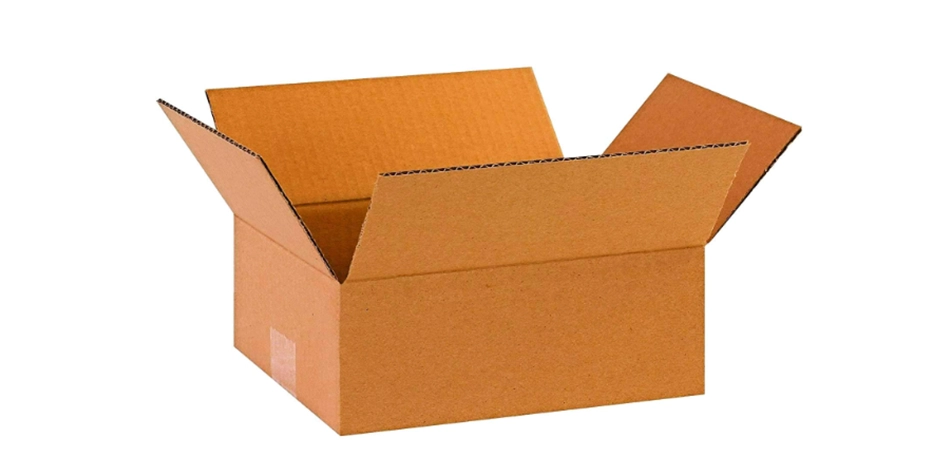
These are sturdy and versatile boxes made of corrugated cardboard, providing excellent protection for a wide range of products. They come in various sizes and can be customized with branding and printing.
Poly Mailers
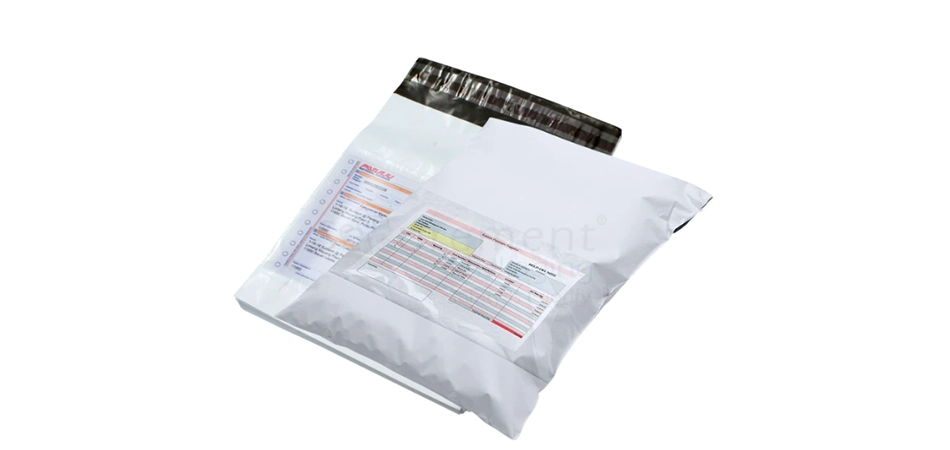
Lightweight and durable, poly mailers are ideal for shipping clothing, soft goods, and other non-fragile items. They are waterproof and tamper-resistant, often featuring self-sealing adhesive strips for easy closure.
Bubble Mailers
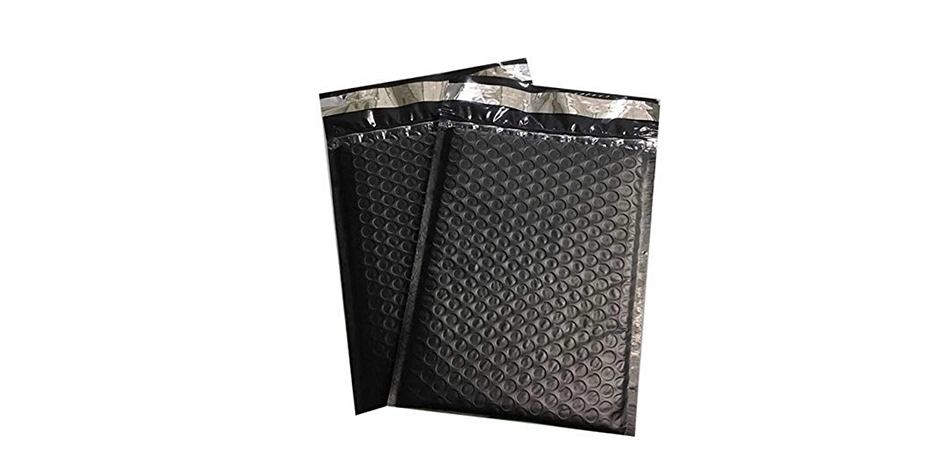
Similar to poly mailers, bubble mailers incorporate bubble wrap padding to provide extra cushioning for fragile items. They are lightweight, cost-effective, and suitable for smaller items like jewelry, electronics, or cosmetics.
Padded Envelopes
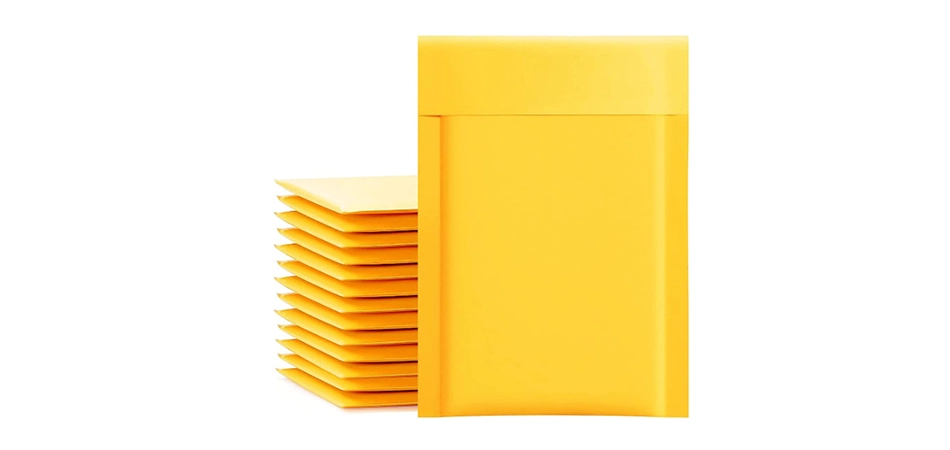
These envelopes feature built-in padding or foam inserts to protect delicate items from damage during shipping. Padded envelopes are ideal for small, lightweight items such as books, CDs, or electronic accessories.
Mailer Boxes
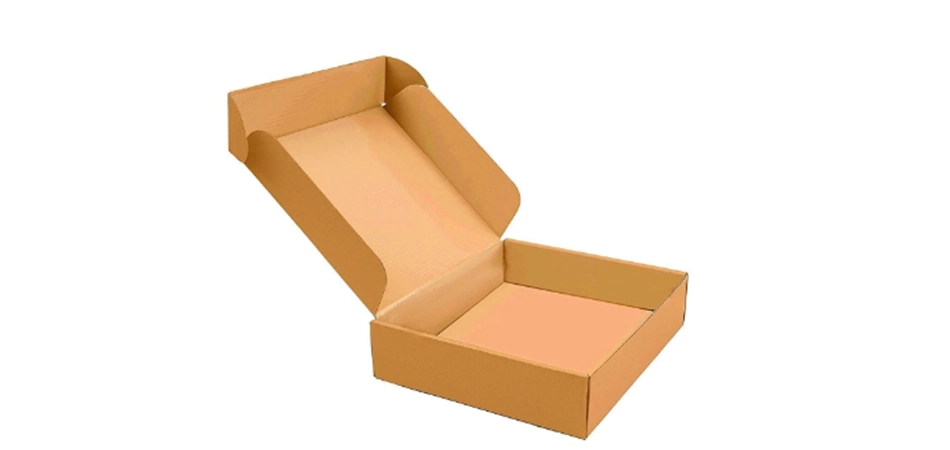
These are rigid cardboard boxes that fold into a compact shape and are secured with adhesive strips or tabs. Mailer boxes provide a more upscale presentation than traditional corrugated boxes and are suitable for smaller items like cosmetics, subscription boxes, or gifts.
Biodegradable and Recyclable Materials
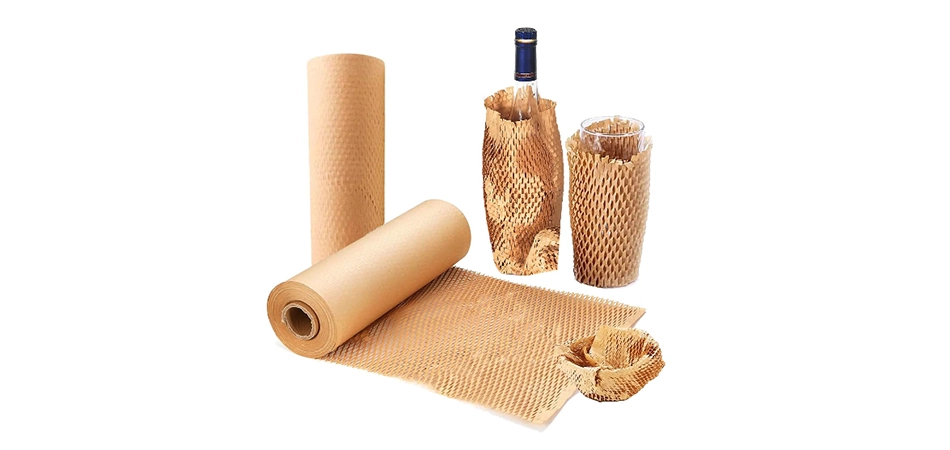
As sustainability becomes increasingly important, eCommerce businesses are opting for packaging materials that are eco-friendly. Biodegradable options like compostable mailers or recycled cardboard boxes help reduce environmental impact.
Custom Packaging
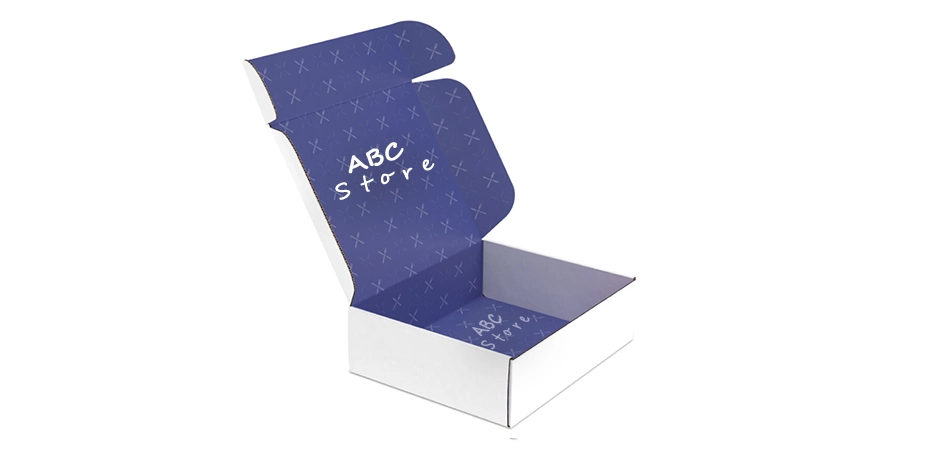
Tailored packaging designs that reflect your brand identity can enhance the unboxing experience for customers. Custom boxes, printed tissue paper, branded stickers, and thank-you notes add a personal touch and leave a lasting impression.
Remember, the best eCommerce packaging strikes a balance between protection, cost-effectiveness, and brand presentation. So consider the product needs and your brand identity when choosing the perfect packaging. That ensures the products arrive safely and leave a lasting impression on your customers.
Facing a problem in choosing the best packaging for your eCommerce business? Our eCommerce development agency has some outstanding marketing experts. After a comprehensive analysis of your site and brand, they can help you decide on the best packaging.
What Materials are Used for eCommerce Packaging?
eCommerce packaging utilizes a variety of materials, each chosen based on factors such as product protection, branding, environmental impact, and cost-effectiveness. Some common materials used for eCommerce packaging include:
Corrugated Cardboard
Corrugated cardboard is one of the most widely used materials for eCommerce packaging. It consists of fluted layers sandwiched between two flat liners, providing strength, rigidity, and cushioning. Corrugated cardboard boxes are versatile and can be customized in size, shape, and printing.
Plastic
Plastic materials such as polyethylene (PE) and polypropylene (PP) are used for packaging applications like poly mailers, bubble mailers, and shrink wrap. While plastic offers durability and moisture resistance, there are increasing concerns about its environmental impact, leading to a shift towards biodegradable and recyclable alternatives.
Paperboard
Paperboard is a lightweight and rigid material commonly used for packaging boxes, cartons, and envelopes. It comes in various thicknesses and can be easily printed and customized. Paperboard packaging is often used for retail packaging and shipping boxes for lightweight items.
Biodegradable and Recycled Materials
With growing environmental awareness, there is a trend towards using biodegradable and recycled materials for eCommerce packaging. Biodegradable options include compostable materials made from plant-based sources like cornstarch or recycled paper products. These materials decompose naturally, reducing environmental impact.
Foam
Foam materials like expanded polystyrene (EPS) or polyethylene foam are used for cushioning and protecting fragile items during shipping. Foam inserts, pads, or sheets provide shock absorption and prevent damage from impact or vibration.
Cardstock
Cardstock is a heavy, durable paper often used for custom packaging inserts, dividers, or sleeves. It offers a smooth surface for printing and can be die-cut or scored to create intricate designs or structural elements.
Air Pillows and Void Fill
Lightweight materials like air pillows, paper fill, or biodegradable packing peanuts are used as void fillers to fill empty spaces within boxes and prevent items from shifting during transit. These materials provide cushioning without adding significant weight to the package.
Tape and Adhesives
Packaging tape, adhesive labels, and glue are essential for sealing packages and securing packaging materials. Water-activated tape, pressure-sensitive tape, and adhesive dots are commonly used for sealing cardboard boxes and envelopes.
When selecting materials for eCommerce packaging, businesses should consider factors such as product protection, branding opportunities, sustainability, and cost-effectiveness. Choosing the right combination of materials can enhance the customer experience while minimizing environmental impact.
How to Choose the Right eCommerce Packaging
Choosing the right eCommerce packaging is about more than just packing a product in a box. It affects product safety, shipping costs, customer satisfaction, and brand image. The right packaging should protect the item, control costs, and create a good customer experience.
Product Type & Fragility
The type of product decides the packaging.
Fragile items like glassware, electronics, and cosmetics need sturdy packaging boxes with protective materials such as bubble wrap, inserts, air pillows, or kraft paper. Heavy products often need double-wall boxes for extra strength.
Soft items like clothes, documents, and fabric products usually work well in poly mailers or padded envelopes. They are lighter and help reduce shipping costs.
Choosing the right packaging for eCommerce products helps prevent damage and returns.
Shipping Distance
Shipping distance also matters.
Local deliveries may need basic protection, but long-distance or international orders need stronger eCommerce shipping packaging because packages are handled more times during transit.
Products traveling farther should have secure sealing, proper cushioning, and moisture protection if needed. The longer the journey, the stronger the protection should be.
Good packaging for shipping products should match the travel conditions.
Cost Considerations
Packaging should be strong but cost-effective.
Using oversized boxes increases shipping charges because many carriers calculate cost based on box size, not just weight. This is called dimensional weight.
Right-sizing means using the smallest safe box for the product. It lowers shipping costs and reduces filler waste.
Many businesses keep eCommerce packaging costs around 1-3% of revenue. Low-cost branding options like custom tape, logo stickers, or thank-you cards can enhance presentation without incurring high costs.
Sustainability Goals
Many customers prefer brands that use sustainable eCommerce packaging.
Recyclable boxes, kraft paper, paper tape, compostable mailers, and recycled materials are common eco-friendly packaging options for eCommerce. They reduce waste and improve brand trust.
Using the right-sized packaging also supports sustainability by reducing extra material and shipping waste.
Good eCommerce packaging solutions should protect products and reduce environmental impact.
Branding Requirements
Packaging is part of your brand experience.
Custom eCommerce packaging can include printed boxes, logo stickers, tissue paper, thank-you notes, and packaging inserts that eCommerce brands use to improve customer experience.
Good eCommerce packaging design makes the order feel professional and memorable. It also improves the eCommerce unboxing experience, which can lead to repeat purchases and social sharing.
The best eCommerce packaging protects the product and leaves a strong first impression.
eCommerce Packaging Best Practices
Good packaging reduces damage, saves money, and builds customer trust in your brand. Following the right eCommerce packaging best practices makes daily operations smoother and supports long-term business growth.
Right-Sized Packaging
Use a box that fits the product properly. Oversized boxes increase shipping costs, need more filler, and create more waste. Well-fitted eCommerce packaging boxes keep products secure and help reduce damage during transit.
Less Waste
Avoid using extra packaging that is not needed. Too much plastic, filler, or large boxes only increases costs and waste. Simple packaging for eCommerce products with just enough protection works better and feels more practical.
Product Safety
Products should stay safe from packing to delivery. Fragile items need bubble wrap, foam inserts, or dividers, while heavy products need strong corrugated boxes. Protective packaging used by eCommerce businesses should always match the product type.
Unboxing Experience
Customers notice how the package looks and feels when they open it. Clean packing, easy opening, and small touches like thank-you notes or branded inserts improve the eCommerce unboxing experience and leave a better impression.
Eco-Friendly Materials
Many buyers prefer sustainable eCommerce packaging today. Recyclable boxes, kraft paper, compostable mailers, and paper tape help reduce waste and support eco-friendly shipping. This also improves brand trust and customer loyalty.
Trends to Follow in eCommerce Packaging
Several trends are shaping the landscape of eCommerce packaging. Staying updated with these trends can help businesses remain competitive and meet evolving customer expectations. Here are some notable trends to follow:
Sustainability
Consumers are increasingly concerned about environmental issues, driving demand for sustainable packaging solutions. Eco-friendly materials, such as biodegradable plastics, recycled cardboard, and compostable packaging, are gaining popularity. Businesses are also focusing on reducing packaging waste through minimalist designs, lightweight materials, and efficient packaging techniques.
Customization
Personalized packaging creates memorable unboxing experiences and strengthens brand-consumer relationships. Custom packaging designs, including branded boxes, tissue paper, stickers, and thank-you notes, can enhance the perceived value of products and differentiate brands in a competitive market.
Minimalism and Simplicity
Minimalist packaging designs that emphasize simplicity, functionality, and aesthetics are gaining traction. Clean and uncluttered packaging communicates transparency, authenticity, and premium quality, appealing to consumers seeking a more streamlined and mindful shopping experience.
Smart Packaging
Integration of technology into packaging, such as QR codes, NFC tags, or augmented reality (AR), enhances consumer engagement and provides valuable product information, usage instructions, and interactive experiences. Smart packaging also facilitates supply chain visibility, authentication, and inventory management.
Reusable and Returnable Packaging
Embracing the circular economy, reusable and returnable packaging models are becoming increasingly popular. Reusable packaging solutions, such as tote bags, durable containers, and refillable pouches, reduce single-use packaging waste and offer cost savings for businesses while incentivizing customer loyalty through recycling programs.
On-demand Packaging
On-demand packaging solutions, including custom box-making machines and right-sized packaging algorithms, optimize packaging dimensions based on specific product orders. This minimizes material waste, reduces shipping costs, and enhances operational efficiency by eliminating the need for excess packaging inventory.
Interactive Packaging
Interactive packaging elements, such as QR code-enabled games, AR experiences, or scannable product information, engage consumers and create immersive brand interactions beyond the point of purchase. Interactive packaging fosters storytelling, product discovery, and social sharing, driving brand awareness and customer engagement.
Multi-channel Packaging
With the rise of omnichannel retailing, packaging must adapt to accommodate diverse sales channels, including eCommerce platforms, brick-and-mortar stores, and third-party marketplaces. Multi-channel packaging solutions ensure consistency in branding, product presentation, and customer experience across various touchpoints.
Make sure you stay on top of these trends. So your eCommerce packaging is functional and protective and reflects your brand identity. It should also resonate with your customers and minimize your environmental impact.
You can consult with our eCommerce specialists to understand how to implement these trends in your business enterprise.
Conclusion
eCommerce packaging is much more than just putting a product in a box. It protects the item, controls shipping costs, supports your brand, and shapes the customer’s first real experience with your business. From choosing the right box size and protective materials to improving the unboxing experience, every packaging decision affects customer trust and long-term growth.
The best eCommerce packaging balances safety, cost, branding, and sustainability. Right-sized packaging reduces waste and shipping charges, while eco-friendly materials build stronger customer confidence. Small details like neat presentation, branded inserts, and secure packing can turn a simple delivery into a memorable experience.
And when packaging is planned well, it does more than deliver a product. It helps build repeat customers and a stronger business. So, next time when you’re deciding how to pack the orders, make sure to keep these things in mind.
FAQs on eCommerce Packaging
1. How can I personalize the eCommerce packaging?

You can personalize the eCommerce packaging by incorporating branding elements such as logos, colors, and slogans. They can also include personalized messages or thank you notes for a personal touch. Custom packaging designs and shapes can also make a product stand out and create a memorable unboxing experience for customers.
2. My products are fragile. What kind of packaging should I use?
For delicate items, prioritize sturdy cardboard boxes with ample cushioning. Opt for double-walled boxes for heavier items. Eco-friendly void fill options like crinkled paper or inflatable pouches can effectively protect your products without creating a mess.
3. How can I make my packaging easier for customers to open?
Self-sealing boxes or pouches with resealable closures add convenience. Tear-open features eliminate the need for tools and frustration. Consider including clear instructions if your packaging requires assembly.